The Perfect Sourdough Starter Recipe: A Beginner's Guide
Make your first sourdough starter in 7 days with just flour and water. This step-by-step guide covers feeding schedules, troubleshooting, and when your starter is ready to bake.
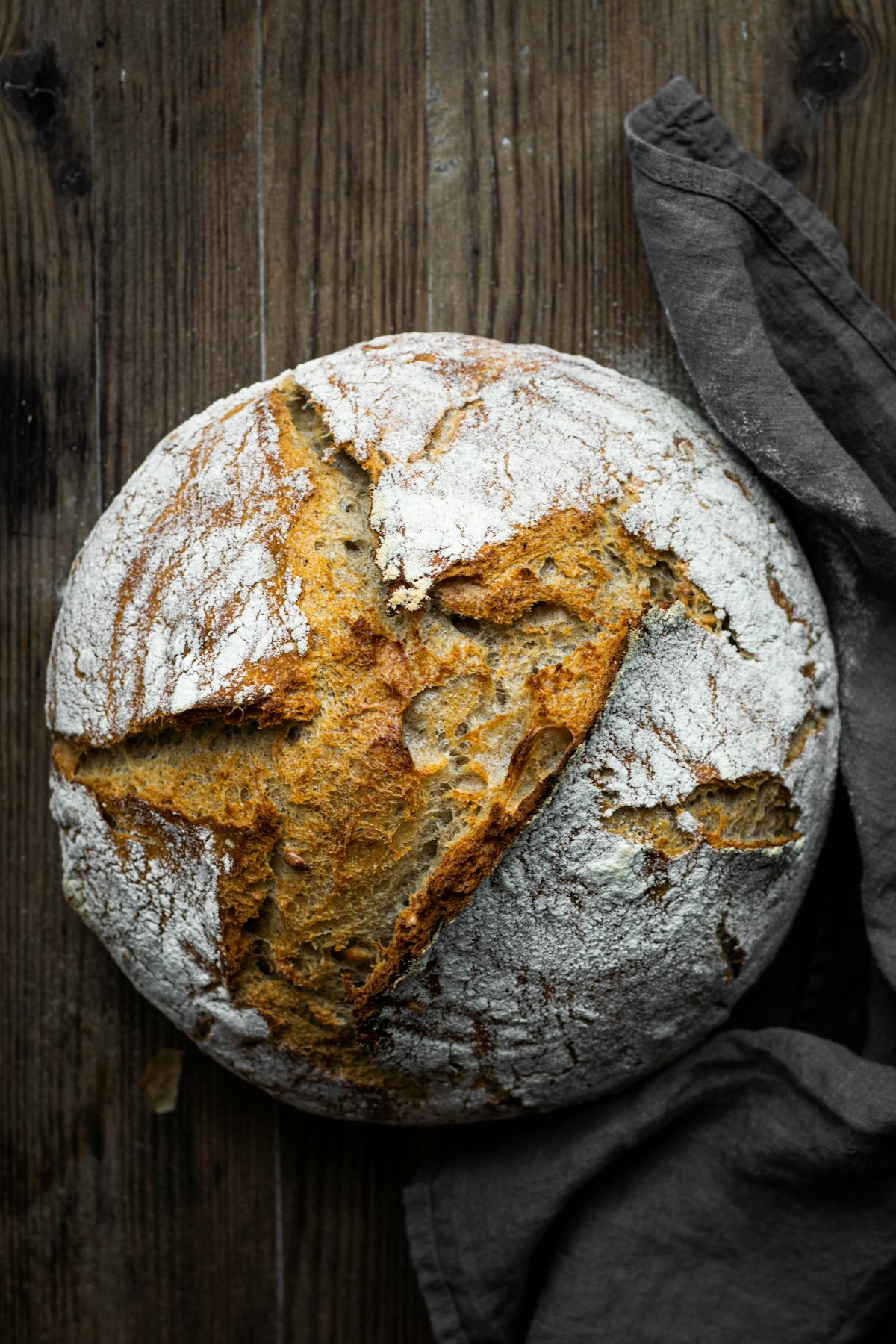
A sourdough starter recipe is your gateway to the best bread you'll ever bake. No commercial yeast, no shortcuts — just flour, water, and wild fermentation. This guide walks you through creating, feeding, and maintaining a healthy starter from day one.
📱 Save This Guide
Keep this recipe on your phone with Fooma — import it for free and access it offline while you're in the kitchen.
What You Need
- Whole wheat or rye flour — for days 1–3 (more wild yeast on the bran)
- All-purpose or bread flour — for days 4–7 and ongoing feedings
- Filtered water — chlorine can slow fermentation
- A glass jar — wide-mouth quart size works best
- A kitchen scale — consistency is everything
Day-by-Day Sourdough Starter Recipe
Day 1: The Beginning
Mix 50g whole wheat flour and 50g water (room temp) in your jar. Stir until no dry flour remains. Cover loosely and leave at room temperature (70–75°F is ideal). That's it for today.
Day 2: Wait
You might see a few bubbles, or nothing at all. Both are normal. Don't feed yet — let the wild yeast get established. Just check in and stir once.
Day 3: First Feeding
Discard all but 50g of your starter. Add 50g whole wheat flour and 50g water. Stir well. You should start seeing small bubbles and a slightly tangy smell.
Day 4: Switch to White Flour
Discard down to 50g. Feed with 50g all-purpose flour and 50g water. The starter should be bubbling more consistently now. If it smells like acetone or nail polish remover, that's normal — it means it's hungry.
Day 5–6: Twice Daily Feedings
Switch to feeding every 12 hours. Each time: discard to 50g, add 50g flour and 50g water. You should see predictable rise and fall cycles developing.
Day 7: The Float Test
Drop a small spoonful of starter into a glass of water. If it floats, your starter is active enough to leaven bread. If it sinks, continue twice-daily feedings for another 2–3 days.
Maintaining Your Starter
Room Temperature (Daily Baker)
Feed once daily: discard to 50g, add 50g flour + 50g water. Your starter is always ready to bake.
Refrigerator (Weekend Baker)
After feeding, let it rise for 1 hour at room temp, then refrigerate. Feed once a week. Pull it out the night before you want to bake, feed it, and it'll be ready by morning.
Troubleshooting
My starter smells like alcohol
It's hungry. Feed it more frequently or increase the flour ratio. The alcohol (hooch) is harmless — just pour it off or stir it back in.
My starter isn't rising
Be patient — temperature matters enormously. Below 68°F, fermentation slows dramatically. Try placing it near (not on) your oven, or inside your microwave with the light on.
There's liquid on top
That grayish liquid is "hooch" — a sign your starter is hungry. Pour it off and feed as usual. Not harmful, just means you need to feed more often.
It's been 10 days and still not rising
Switch to rye flour for 2–3 feedings. Rye has more wild yeast and nutrients. Also check your water — try bottled spring water in case your tap water has too much chlorine.
🍞 Ready to Bake?
Use Fooma's AI Chef to generate sourdough recipes based on what you have in your kitchen. Import recipes from anywhere and plan your baking week.
Try Fooma Free →Frequently Asked Questions
Can I make sourdough starter with all-purpose flour only?
Yes, but it may take a few extra days. Whole wheat or rye flour contains more wild yeast on the bran, which kickstarts fermentation faster. Once established, you can switch to any flour.
How do I know when my sourdough starter is ready?
It should double in size within 4–6 hours of feeding, have a pleasant tangy aroma, and pass the float test. Consistent, predictable rise and fall is the real indicator.
Can I use tap water for sourdough starter?
Usually yes, unless your tap water is heavily chlorinated. If in doubt, leave water in an open container overnight to let chlorine evaporate, or use filtered water.
How long will my sourdough starter last?
Indefinitely, as long as you feed it. Some starters are over 100 years old. Even if you neglect it for weeks, you can usually revive it with a few days of regular feeding.
Liked this article? Try Fooma
Free on the App Store
Import recipes from any URL, plan your meals for the week, and get AI-powered suggestions — all in one beautifully simple app.